Namoi News

Local News

Plans begin for new ANZAC memorial park in Wee Waa

Plans begin for new ANZAC memorial park in Wee Waa

NBN News

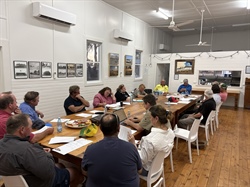
Plans for a new community space in Wee Waa are beginning to take shape.

Locals, collaborating with council to design a memorial precinct paying tribute to ANZAC soldiers – in the heart of town.

Friday, June 5, 2026/Author: Kate Schwager/Number of views (0)/Comments (0)/ Article rating: No rating
Tags:
Local newspapers set to return weeks after closure

Local newspapers set to return weeks after closure

Tweed Coast Times - 3rd June 2026

The Narrabri Courier, Gunnedah Times and Wee Waa News will return on June 11, a month after publishing what many believed would be their final editions.

The three newspapers, which ceased publication on May 7, have been acquired by Times News Group and are expected to resume serving their communities in the coming weeks.

The announcement brings an abrupt end to fears that Narrabri, Gunnedah and Wee Waa could lose their local newspapers permanently.

For generations, the three mastheads have reported on everything from droughts and floods to council decisions, sporting triumphs, agricultural developments and community milestones.

Friday, June 5, 2026/Author: Kate Schwager/Number of views (0)/Comments (0)/ Article rating: No rating
Tags:
RSS
12345678910111213


Featured Article

How a Sanitization Service Supports Healthier Community Spaces

How a Sanitization Service Supports Healthier Community Spaces

Maintaining hygienic community spaces through a sanitisation service may support public health, build trust, and help shared environments remain safe and welcoming.

 Shared spaces such as schools, businesses, and community facilities rely on consistent hygiene practices to remain safe for visitors and staff. A professional sanitisation service focuses on reducing bacteria and viruses on frequently touched surfaces using approved disinfectants and specialised equipment. Unlike routine cleaning, sanitisation targets microorganisms that may remain on surfaces long after visible dirt is removed. As awareness of preventive hygiene grows across Australia, organisations are increasingly adopting structured sanitisation programs to support healthier environments. Combined with responsible cleaning practices and community awareness, professional sanitisation may help reduce contamination risks while maintaining confidence in the spaces people use every day.

Wednesday, March 11, 2026/Author: Julian Parsons/Number of views (3531)/Comments (0)/ Article rating: No rating
Why Safe Driving Matters for Families Attending Activities Like Legs Dance Studio

Why Safe Driving Matters for Families Attending Activities Like Legs Dance Studio

Safe travel habits support the routines, connections, and opportunities that community activities provide.

Regular trips to extracurricular activities such as a legs dance studio place families on the road several times each week, often during busy or low-visibility periods. Safe driving habits, vehicle maintenance, and thoughtful planning may reduce risks and make travel more manageable. Parking courtesy, reliable vehicles, and awareness of local traffic conditions all contribute to safer journeys. Community programs depend on consistent attendance, and safe transport helps make that possible. By modelling responsible driving and planning trips carefully, families support not only their children’s activities but also the safety and wellbeing of their wider community.

Tuesday, February 24, 2026/Author: Julian Parsons/Number of views (3796)/Comments (0)/ Article rating: No rating
RSS
1234567891011121314151617181920212223242526272829303132333435363738394041

Political News

Fuel Subsidies for Community Services

Fuel Subsidies for Community Services

5 May, 2026

Member for Barwon, Roy Butler, has warned that the ongoing fuel crisis could severely compromise access to essential health and community services in rural and remote communities unless a temporary fuel subsidy is introduced.

Mr Butler’s office has been contacted by numerous organisations that provide transport for rural and remote patients to attend health and specialist appointments, as well as organisations delivering health services directly into people’s homes.

“These services are a lifeline for people who have no other means of transport,” Mr Butler said. “Any disruption caused by increased fuel prices would have serious consequences for health and wellbeing outcomes in our communities.”

Tuesday, May 5, 2026/Author: Kate Schwager/Number of views (0)/Comments (0)/ Article rating: No rating
Categories: Politics
Tags:
Fuel Crisis Prompts Tourism Concerns

Fuel Crisis Prompts Tourism Concerns

5 May 2026

Rising concern about the impact of the fuel crisis on local tourism has prompted the Member for Barwon, Roy Butler, to urge city residents to continue with their plans to visit regional NSW over the Easter holiday.  

Local tourism operators are reporting a bump in Easter cancellations against a backdrop of lower overall bookings in March this year compared to the same time last year. 

“It’s a tough time for many people who work in tourism,” said Mr Butler.  

“Caravan parks in Broken Hill are reporting a drop in revenue of more than 25%, with management and staff discussing reduced hours. 

“Fewer shifts are available for motel workers around Narrabri too. 

Monday, March 30, 2026/Author: Kate Schwager/Number of views (0)/Comments (0)/ Article rating: No rating
Categories: Politics
Tags:
RSS
12

Rural News

Third party signed up to govt fert underwriting program as urea prices ease

Third party signed up to govt fert underwriting program as urea prices ease

The prices are dropping in spite of unrest in the Middle East.
Monday, June 8, 2026/Author: SuperUser Account/Number of views (115)/Comments (0)/ Article rating: No rating
Categories: Rural News
Tags:
Corporates showing an increasing appetite for Qld's prized Burdekin region

Corporates showing an increasing appetite for Qld's prized Burdekin region

Favourable water values and operating costs compared to south.
Monday, June 8, 2026/Author: SuperUser Account/Number of views (117)/Comments (0)/ Article rating: No rating
Categories: Rural News
Tags:
RSS
123578910Last


Local Events

Published on Tuesday, June 10, 2025

How Commercial Cleaning Projects Are Supporting Sustainable Business Operations in Regional Australia

More than a maintenance task, sustainable cleaning is shaping the environmental performance of workplaces across regional Australia.


In regional Australia, where business infrastructure often intersects with community values and environmental awareness, sustainability is no longer just a bonus—it’s an expectation. As local companies adopt greener operational practices, one key area quietly undergoing transformation is commercial cleaning. Traditionally seen as a back-of-house function, commercial cleaning projects are now emerging as significant contributors to sustainable business strategies across regional NSW and beyond.

From chemical choices to water use and energy efficiency, today’s commercial cleaning initiatives are reshaping how businesses maintain their spaces while reducing environmental impact. This shift not only benefits the planet but also improves worker wellbeing, public trust, and regulatory compliance.

Rethinking Clean: Why Sustainability Now Matters in Commercial Cleaning

Modern business owners are increasingly conscious of their ecological footprint. In commercial facilities—from schools and medical clinics to retail outlets and warehouses—the choice of cleaning products, equipment, and processes plays a significant role in a company’s sustainability profile. Traditional cleaning methods, often reliant on harsh chemicals, water waste, and disposable supplies, are being replaced by smarter, more conscious approaches.

Low-tox and biodegradable cleaning products have become mainstream options, reducing harm to local ecosystems while improving indoor air quality. These products also lessen the health risks faced by staff and visitors, particularly in settings like aged care homes or childcare centres where respiratory sensitivity is a concern. Many businesses are also adopting water-conserving methods such as microfibre mopping systems and controlled-dispensing equipment to minimise unnecessary consumption.

Certified Green Practices: Going Beyond a Surface Shine

With green certification standards gaining traction, more businesses are realising that sustainable cleaning isn’t just about ticking boxes—it’s about credibility. Certifications like GECA (Good Environmental Choice Australia) or ISO 14001 reflect not only a commitment to cleaner products but also to broader sustainable management systems. For commercial premises aiming to align with ESG reporting or public sector tenders, partnering with providers who meet these standards is becoming a practical necessity.

Some regional councils and private enterprises now require cleaning tenders to demonstrate environmentally responsible procedures, reinforcing the expectation that cleaning contractors deliver more than just aesthetics. These green practices include waste segregation, responsible chemical storage, and recycling systems embedded within the cleaning schedule.

Real-World Projects Shaping the Future of Sustainable Cleaning

The impact of sustainable commercial cleaning becomes most visible when you examine actual projects implemented across NSW. Whether it's a manufacturing facility in Dubbo or an office complex in Tamworth, these real-world applications show how tailored cleaning strategies can solve environmental and operational challenges.

One standout example comes from Projects – CJM Cleaning, which showcases how commercial cleaning projects are being designed with sustainability in mind. From daily cleaning of medical centres using eco-friendly disinfectants to large-scale maintenance of industrial sites using low-water techniques, these projects illustrate how practical environmental responsibility can look in action.

These examples demonstrate that sustainability doesn’t have to be sacrificed for performance. Instead, it may enhance it—reducing downtime, extending the life of flooring and surfaces, and offering cleaner, healthier environments for staff and customers alike.

Linking Sustainability to Business Outcomes in Regional Settings

Beyond environmental outcomes, sustainable commercial cleaning practices deliver clear business benefits. Aligning with modern expectations around health, transparency, and workplace culture, many organisations are seeing positive returns in several areas.

For instance, maintaining clean, sanitised, and allergen-reduced workspaces may contribute to lower absenteeism and greater productivity among staff. In retail settings, consistently clean public areas improve customer satisfaction and brand perception. These are not abstract marketing wins—they’re measurable, bottom-line effects.

Moreover, in the context of public accountability and compliance, many regional organisations are now required to show how they manage hygiene and safety through sustainable practices. This includes everything from pandemic-readiness protocols to compliance with Work Health and Safety (WHS) standards. By embedding cleaning into their sustainability plans, businesses are reducing their legal risk and future-proofing operations.

For more insights into how business and environmental policy intersect across regional Australia, see related content in Namoinews Environment and Business.

Tech, Tools and Trends: The Future of Cleaning in Regional Areas

As expectations continue to evolve, so too do the tools and technologies behind commercial cleaning projects. Innovations like battery-powered low-noise equipment, real-time reporting software, and robotic floor cleaners are becoming more accessible—even in regional areas. These technologies not only improve efficiency but reduce emissions and energy usage, particularly when paired with smart scheduling and monitoring systems.

Internet of Things (IoT) devices are also beginning to enter the cleaning space, offering businesses detailed insights into cleaning frequencies, supply usage, and hygiene outcomes. While still more common in capital cities, these technologies are expected to gain ground in regional towns as demand grows for greater transparency and accountability.

Importantly, cleaning companies serving regional areas must balance innovation with practical logistics—like travel distances, staffing constraints, and weather conditions. Choosing the right provider becomes key to ensuring sustainable practices are actually achievable outside metro environments.

Creating Long-Term Change Starts with Clean Foundations

At a time when both consumers and governments are demanding action on environmental and social responsibility, the role of cleaning in business sustainability can’t be overlooked. From offices in Orange to civic centres in Gunnedah, commercial cleaning projects are laying the groundwork—literally and figuratively—for cleaner, more responsible business practices.

The growing focus on environmentally responsible cleaning is more than a passing trend. It reflects a fundamental shift in how Australian businesses, particularly those in regional areas, view their role in creating a healthier future. Choosing providers who understand this shift—and who demonstrate it in practice—is not just good policy. It’s smart business.

Rate this article:
No rating
Comments (0)Number of views (19681)

Author: Julian Parsons

Categories: Feature Writer Julian Parsons

Tags:

Print
Please login or register to post comments.