Namoi News


Featured Article

How a Sanitization Service Supports Healthier Community Spaces

How a Sanitization Service Supports Healthier Community Spaces

Maintaining hygienic community spaces through a sanitisation service may support public health, build trust, and help shared environments remain safe and welcoming.

 Shared spaces such as schools, businesses, and community facilities rely on consistent hygiene practices to remain safe for visitors and staff. A professional sanitisation service focuses on reducing bacteria and viruses on frequently touched surfaces using approved disinfectants and specialised equipment. Unlike routine cleaning, sanitisation targets microorganisms that may remain on surfaces long after visible dirt is removed. As awareness of preventive hygiene grows across Australia, organisations are increasingly adopting structured sanitisation programs to support healthier environments. Combined with responsible cleaning practices and community awareness, professional sanitisation may help reduce contamination risks while maintaining confidence in the spaces people use every day.

Wednesday, March 11, 2026/Author: Julian Parsons/Number of views (937)/Comments (0)/ Article rating: No rating
Why Safe Driving Matters for Families Attending Activities Like Legs Dance Studio

Why Safe Driving Matters for Families Attending Activities Like Legs Dance Studio

Safe travel habits support the routines, connections, and opportunities that community activities provide.

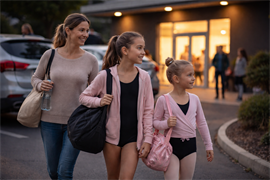
Regular trips to extracurricular activities such as a legs dance studio place families on the road several times each week, often during busy or low-visibility periods. Safe driving habits, vehicle maintenance, and thoughtful planning may reduce risks and make travel more manageable. Parking courtesy, reliable vehicles, and awareness of local traffic conditions all contribute to safer journeys. Community programs depend on consistent attendance, and safe transport helps make that possible. By modelling responsible driving and planning trips carefully, families support not only their children’s activities but also the safety and wellbeing of their wider community.

Tuesday, February 24, 2026/Author: Julian Parsons/Number of views (1102)/Comments (0)/ Article rating: No rating
Why More Australians Are Turning to Hypnotherapy for Weight Loss: Understanding the Psychology Behind Lasting Habits

Why More Australians Are Turning to Hypnotherapy for Weight Loss: Understanding the Psychology Behind Lasting Habits

Lasting weight management often begins with understanding the habits and thought patterns that shape everyday decisions.

 Interest in hypnotherapy for Weight loss has grown as Australians increasingly recognise the role of behaviour, mindset, and routine in long-term health. Rather than focusing solely on strict diets, many people are exploring approaches that address emotional triggers and habit formation. Hypnotherapy is one of several methods used to support motivation and behavioural change, often alongside nutrition and exercise. Research suggests outcomes vary, but awareness of subconscious patterns can help reinforce healthier routines. As public conversations about wellbeing continue to evolve, balanced, evidence-based information remains central to helping individuals make informed lifestyle choices.

Monday, February 9, 2026/Author: Julian Parsons/Number of views (5058)/Comments (0)/ Article rating: No rating
From Hobby to Lifelong Passion: How Music Lessons Help Shape Local Talent

From Hobby to Lifelong Passion: How Music Lessons Help Shape Local Talent

Music lessons often begin as a simple interest but may grow into a lifelong source of creativity, confidence, and community connection.

Music lessons play a significant role in helping people move from casual interest to lasting skill. Structured learning supports technique, confidence, and discipline, while also contributing to social and emotional development. Regional communities benefit as local musicians perform at events, mentor younger learners, and strengthen cultural life. Many students continue playing long after formal lessons end, maintaining music as a creative outlet. With family encouragement, access to teachers, and opportunities to perform, learners of all ages may find that music becomes a meaningful part of their lives for many years.

Friday, February 6, 2026/Author: Julian Parsons/Number of views (3402)/Comments (0)/ Article rating: No rating
When Rest Isn’t Enough: How a Physiotherapist May Help Identify the Root Cause of Ongoing Pain

When Rest Isn’t Enough: How a Physiotherapist May Help Identify the Root Cause of Ongoing Pain

Looking beyond short-term relief may help people make more informed decisions about managing ongoing pain.

Persistent pain often signals more than temporary strain, particularly when rest and medication fail to provide lasting relief. This article explores how a physiotherapist approaches ongoing discomfort by identifying movement patterns, compensations, and lifestyle factors that contribute to pain. Rather than focusing solely on symptoms, physiotherapy aims to address root causes and support long-term mobility across all ages. By understanding when pain needs further attention and how early assessment may prevent escalation, readers are encouraged to view discomfort as useful information rather than an inconvenience.

Tuesday, February 3, 2026/Author: Julian Parsons/Number of views (3541)/Comments (0)/ Article rating: No rating
Relationship Counselling Melville: Recognizing Early Signs of Disconnection Before Conflict Sets In

Relationship Counselling Melville: Recognizing Early Signs of Disconnection Before Conflict Sets In

Understanding early relationship disconnection may support healthier communication and long-term emotional wellbeing.

Emotional disconnection in relationships often develops gradually, without obvious conflict. Changes in communication, reduced emotional availability, and subtle behavioural shifts may signal growing distance long before arguments appear. Recognising these early signs allows couples to respond with awareness rather than urgency. Addressing disconnection early may reduce long-term stress and support healthier communication patterns. Local, community-based support can play a valuable role by offering accessible, relevant guidance before issues escalate. Framing relationship counselling as preventative and skill-focused, rather than a last resort, helps normalise early support as part of broader wellbeing and community health conversations.

Thursday, January 22, 2026/Author: Julian Parsons/Number of views (3951)/Comments (0)/ Article rating: No rating
RSS
1234567891011121314

Local News

Burren firm all smiles after Future Drought Fund fillip

Burren firm all smiles after Future Drought Fund fillip

Grain Central June 19, 2025

PRIVATE research company AgEcon Australia has received $6 million from the Federal Government’s Future Drought Fund to investigate a suite of issues around securing irrigation water, renewable energy, and climate science.

Partners in the five-year project which kicked off this month include Macquarie University and the University of Southern Queensland, with a major investment from the Cotton Research and Development Corporation.

Other stakeholders include Sugar Research Australia, Horticulture Innovation Australia, and the Ricegrowers’ Association of Australia, and the $6M in FDF funding adds to around $7M in total in in-kind support from all partners.

AgEcon is based in the north-west New South Wales town of Burren Junction, and its project was one of only eight from a field of 120 gain FDF funds in the current round.

“We have teamed up with some of the best and brightest minds in the nation to find solutions to saving water, understanding climate processes, ensuring efficient land use, and exploring new business opportunities for energy generation,” AgEcon partner Janine Powell said.

Monday, June 23, 2025/Author: Kate Schwager/Number of views (0)/Comments (0)/ Article rating: No rating
Tags:
RSS
123

Rural News

Six key on-farm strategies that can help you manage the nitrogen squeeze

Six key on-farm strategies that can help you manage the nitrogen squeeze

Six key, proven ways to help with nitrogen management.
Wednesday, April 1, 2026/Author: SuperUser Account/Number of views (13)/Comments (0)/ Article rating: No rating
Categories: Rural News
Tags:
'Grass factory' in south-west Victoria sells for almost $3 million

'Grass factory' in south-west Victoria sells for almost $3 million

Heathmere grazing property sells for almost $3 million.
Wednesday, April 1, 2026/Author: SuperUser Account/Number of views (14)/Comments (0)/ Article rating: No rating
Categories: Rural News
Tags:
RSS
135678910Last

Political News


Local Events

Designing for Lifestyle: How Residential Building Design is Evolving in Australia

Published on Thursday, March 27, 2025

Designing for Lifestyle: How Residential Building Design is Evolving in Australia

Exploring how lifestyle, sustainability, and smart design are shaping the future of Australian homes.

The face of residential building design in Australia is shifting rapidly. From compact inner-city townhouses to expansive bushland retreats, modern homes are now being created with a deeper focus on lifestyle, sustainability, and adaptability. No longer is a house just a roof over one’s head—it’s a space that reflects personal values, environmental responsibility, and long-term functionality.

Whether you’re planning a custom home from scratch or looking to renovate an existing property, understanding the current landscape of residential design can help you make informed, future-focused decisions.

What Makes a Modern Residential Design?

At its core, residential building design is about translating individual needs into practical, liveable architecture. It’s not just about rooms and walls—it’s about flow, orientation, and how a space supports daily life.

Contemporary home design often integrates:

  • Open-plan living with indoor-outdoor connection
     

  • Passive design principles such as natural ventilation, thermal mass, and orientation for sunlight
     

  • Zoning to separate private, social, and work spaces
     

  • Energy-efficient features including solar panels, insulation, and double glazing
     

  • Sustainable material choices that minimise environmental impact
     

These features don’t just improve comfort—they may also reduce ongoing utility costs and increase property value over time.

For a deeper dive into sustainability, readers may enjoy our recent article on eco-friendly home upgrades for Australian homeowners.

Designing for Flexibility and Future Living

One of the biggest shifts in residential building design is the move toward flexibility. Homes today need to accommodate more than just traditional family dynamics. Think multigenerational living, remote work, ageing in place, or rental income through granny flats.

Designers are responding with:

  • Dual-purpose rooms that can shift from office to guest room
     

  • Secondary dwellings or studio apartments within larger properties
     

  • Accessible design principles such as wider hallways, no-step entries, and ground-floor bathrooms
     

  • Home automation systems that future-proof the property and offer convenience
     

The demand for flexible floorplans isn’t just a trend—it’s a long-term response to evolving family needs, economic factors, and lifestyle choices.

The Importance of Site-Specific Design

Australia’s diverse geography plays a major role in residential building design. A coastal home on the Sunshine Coast will have different environmental considerations compared to a home in the Adelaide Hills or Melbourne suburbs.

Good residential design takes into account:

  • Site orientation and slope
     

  • Prevailing wind patterns
     

  • Local council planning regulations
     

  • Access to natural light
     

  • Bushfire or flood zones
     

This is where working with experienced designers becomes critical. For those exploring tailored, location-specific solutions, the team behind Modern day concepts building design offers a thoughtful look at how site context, lifestyle needs, and regulatory frameworks come together to shape custom residential projects. Their work is a solid example of integrating creativity with compliance—a balance that's essential for any successful build.

Navigating Planning, Permits, and Design Approval

Many homeowners are surprised to learn how much time is spent in the planning and approvals phase. Getting a residential design through council can involve several steps, including:

  • Concept design and site assessment
     

  • Planning approvals, especially in heritage or environmentally sensitive areas
     

  • Building approvals, working drawings, and engineering reports
     

  • Coordination with consultants (e.g., surveyors, certifiers, or energy assessors)
     

Understanding this process early helps avoid costly delays. We’ve covered this more thoroughly in our guide to navigating the home design approval process in Australia.

Looking Ahead: What’s Next for Residential Architecture?

Australian residential design continues to evolve in response to new technologies, climate realities, and lifestyle shifts. Some of the trends likely to shape future homes include:

  • Net-zero homes that produce as much energy as they consume
     

  • Smart design integration, including AI-powered lighting, climate, and security systems
     

  • Smaller footprint homes with efficient layouts that still feel spacious
     

  • Natural building materials like rammed earth and cross-laminated timber
     

  • Prefabricated and modular construction, which allows faster and more affordable builds
     

Final Thoughts

Whether you're dreaming of a minimalist escape, a family-friendly haven, or a multi-use modern home, residential building design in Australia has never been more diverse or dynamic. The best designs start with a clear understanding of your site, lifestyle, and future needs—and are brought to life through thoughtful collaboration with skilled professionals.

As more Australians seek homes that align with how they live, work, and relax, residential design will continue to innovate—not just to impress, but to truly support the way we live now and in the years to come.


Rate this article:
No rating
Comments (0)Number of views (28341)
Print
Please login or register to post comments.